
A Room That Lets Music Breathe
Esséncia Journal · Room guide · From the workshop
The room is part of what you hear. You do not need to turn your living room into a studio to start improving it.
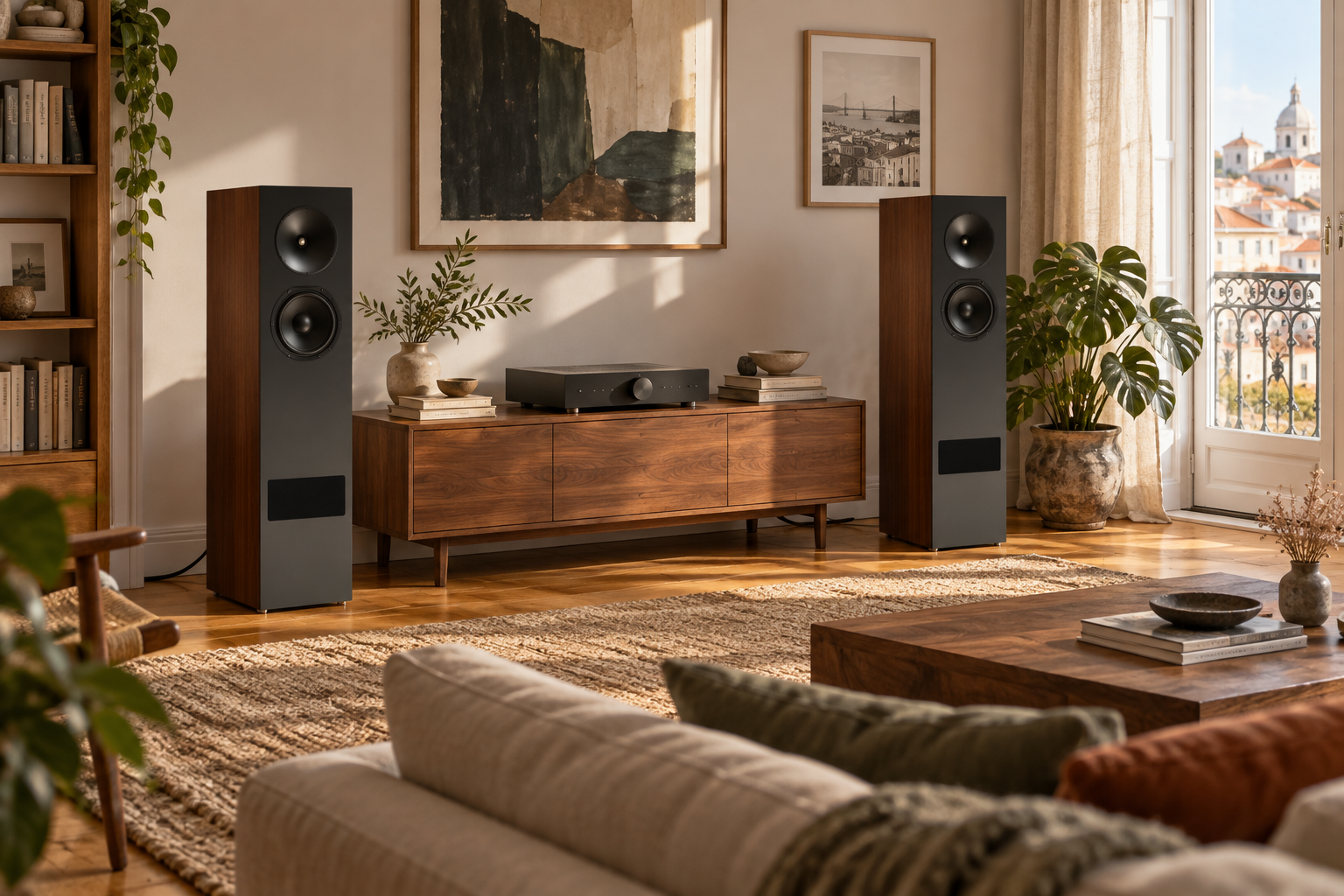
Listen to the room first
A bare room with large hard surfaces can sound lively. Soft furnishings may reduce some reflections, especially at higher frequencies. Try a rug between speakers and seat, curtains at glass, or an upholstered chair before filling the walls with panels.
Absorption and diffusion do different things
An absorber reduces reflected energy in the range it is designed for. A diffuser scatters sound rather than simply removing it. Their effectiveness depends on construction, position and distance from the listener. Decorative slats or thin foam are not universal bass solutions.
Start with placement and symmetry. If voices remain blurred or the room rings, consider properly specified treatment. Deep bass problems often need different solutions from bright reflections.
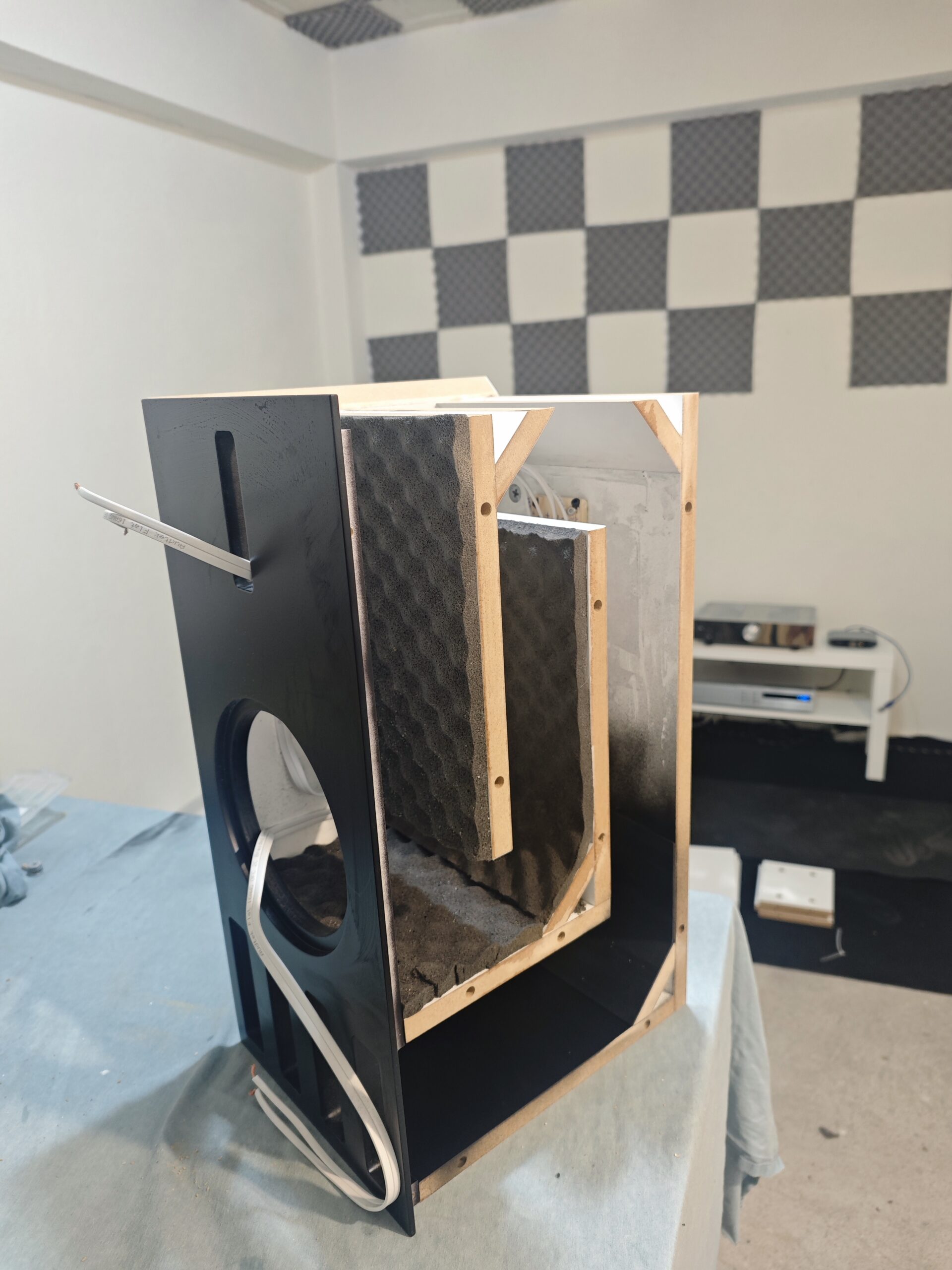
Make one change, then listen at your normal volume. Aim for clearer voices and easier listening, rather than a room that feels unnaturally dead.
For more detail, Genelec explains placement, calibration and room acoustics. For a difficult room, a measured assessment is more useful than buying panels by appearance alone.
Talk to the maker →Explore the speakers
← Back to Journal